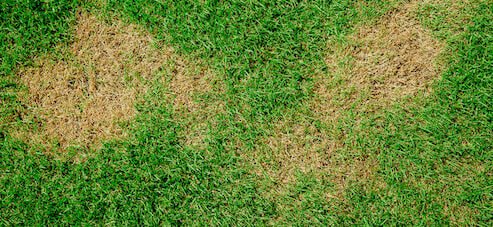
Yellow patches on your lawn can be frustrating. They ruin the lush green look you’ve worked hard to maintain. But don’t panic—understanding the causes can help you fix the problem.
Common Causes of Yellow Patches
First, overwatering often leads to yellowing. Too much water suffocates the roots, preventing them from absorbing nutrients. Similarly, underwatering can cause stress, turning the grass yellow.
Next, pests like grubs or chinch bugs may be the culprits. They feed on grass roots, weakening the turf. Additionally, fungal diseases, such as rust or dollar spot, can discolor your lawn.
Soil Issues and Nutrient Deficiencies
Poor soil quality is another factor. Compacted soil restricts root growth, leading to yellow patches. Furthermore, a lack of essential nutrients like nitrogen can cause the grass to lose its vibrant color.
How to Fix Yellow Patches
First, check your watering habits. Ensure your lawn gets about an inch of water per week. Next, inspect for pests or diseases. If you spot any, treat them promptly.
Additionally, aerate your lawn to relieve soil compaction. Apply a balanced fertilizer to replenish nutrients. Finally, reseed bare spots to restore uniformity.
Prevention Tips
To prevent yellow patches, mow your lawn at the right height. Avoid cutting it too short, as this stresses the grass. Moreover, regularly test your soil to ensure it’s healthy.
Conclusion:
Yellow patches don’t have to be permanent. By identifying the cause and taking action, you can restore your lawn’s beauty. Remember, a healthy lawn starts with proper care and attention.
Transition Words Used: but, first, similarly, next, additionally, furthermore, finally, moreover, to prevent, by, remember.