As summer fades, gardeners face the “fall garden tax”—the effort needed to prepare for the cooler months. But with the right planning, you can enjoy a thriving autumn garden. Here’s a guide on what to plant and how to prepare for a successful fall harvest.
Why Fall Gardening Matters
Fall gardening extends the growing season and maximizes your garden’s potential. Cooler temperatures and fewer pests create ideal conditions for many crops. Additionally, preparing your garden now ensures healthy soil for next spring.
What to Plant in Fall
1. Leafy Greens: Kale, spinach, and lettuce thrive in cooler weather. They grow quickly and can withstand light frosts.
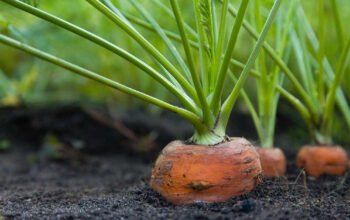
2. Root Vegetables: Carrots, beets, and radishes are perfect for fall planting. They develop sweeter flavors as temperatures drop.
3. Brassicas: Broccoli, cauliflower, and Brussels sprouts perform well in autumn. They benefit from the cooler climate and mature before winter.
4. Herbs: Cilantro, parsley, and chives can be planted in fall. They add fresh flavor to your meals and often survive mild winters.
Preparing Your Garden
1. Clear Summer Debris: Remove spent plants and weeds to prevent pests and diseases. Compost healthy plant material to enrich your soil.
2. Amend the Soil: Add compost or organic matter to replenish nutrients. This improves soil structure and supports healthy root growth.
3. Mulch Beds: Apply mulch to retain moisture and regulate soil temperature. It also suppresses weeds and protects plants from frost.
4. Plan for Frost: Monitor weather forecasts and cover sensitive plants with frost cloths. Consider using cold frames or row covers to extend the growing season.
Benefits of Fall Gardening
Fall gardening reduces the need for frequent watering and pest control. It also provides fresh produce well into the colder months. Moreover, it keeps your garden active and productive year-round.
Tips for Success
1. Start Early: Plant fall crops in late summer to give them time to mature. Check seed packets for days to harvest and plan accordingly.
2. Choose Cold-Hardy Varieties: Select plants bred for cooler climates. They are more likely to thrive and produce a bountiful harvest.
3. Rotate Crops: Avoid planting the same crops in the same spot each year. Crop rotation prevents soil depletion and reduces disease risk.
Looking Ahead
Preparing your garden for fall pays off in fresh produce and healthier soil. By planting the right crops and taking proactive steps, you can enjoy a vibrant autumn garden.
In conclusion, the “fall garden tax” is a small price to pay for a thriving garden. With careful planning and preparation, you can make the most of the cooler months. Transitioning from summer to fall gardening ensures a continuous harvest and sets the stage for a successful growing season next year.